
We are here because you were there.
An ongoing archival portrait series exploring late 19th to early 20th century Asian Americans central to US court cases that have an outsized impact on all of us today.
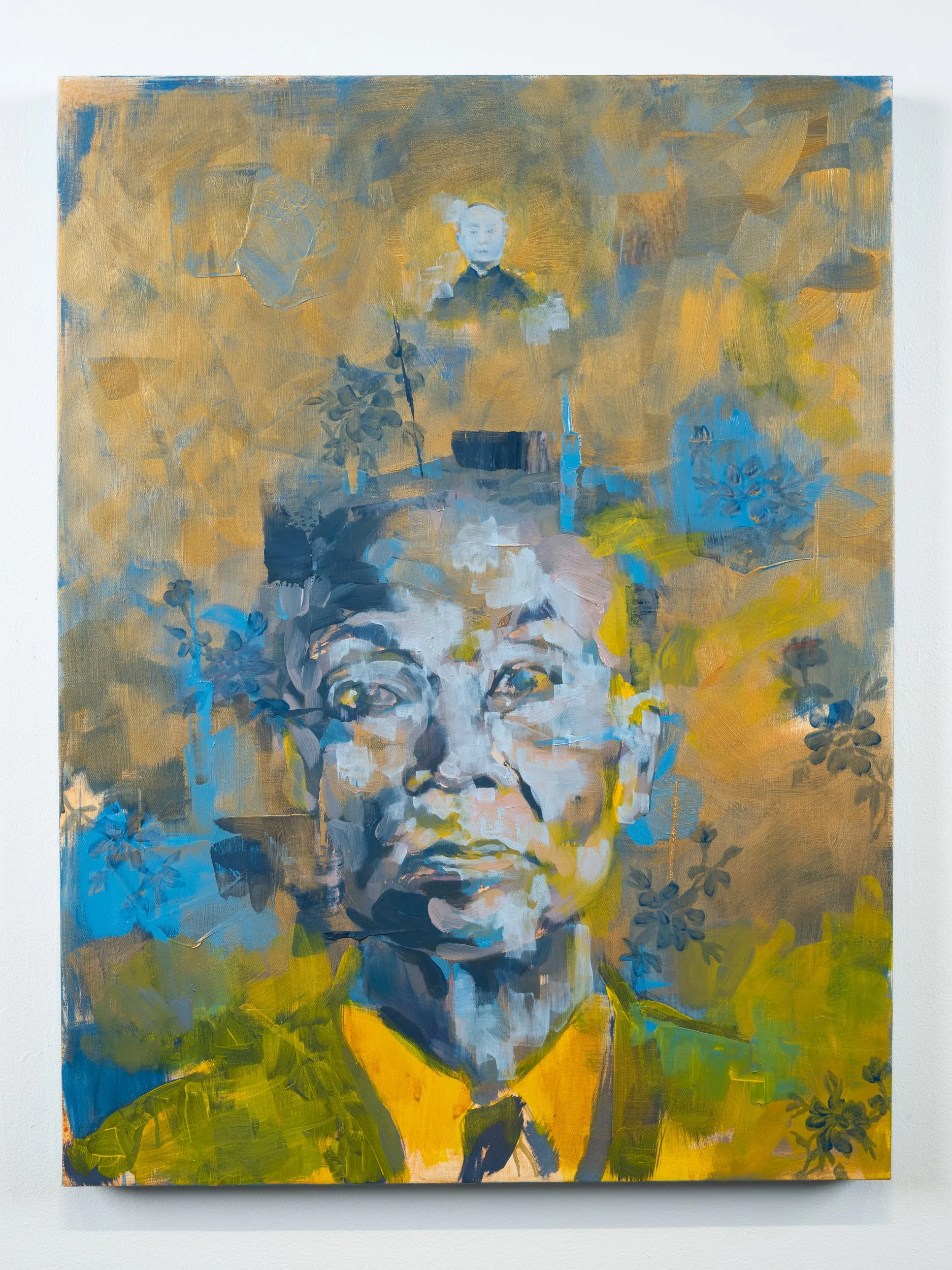
Wong Kim Ark v. United States, 2025, oil on canvas, 40" x 30". Commemorates the Chinese American plaintiff whose 1898 Supreme Court case established birthright citizenship under the Fourteenth Amendment. Drawing from historical photographs and archival materials, the painting reflects on the enduring significance of Wong's legal challenge and its continuing relevance to debates about immigration, belonging, and national identity in the United States. By portraying Wong Kim Ark as both a historical figure and a contemporary presence, the work invites viewers to consider how citizenship is shaped not only through law but also through memory, visibility, and collective struggle. The painting is part of an ongoing exploration of migration, race, and the histories that continue to influence US American life.
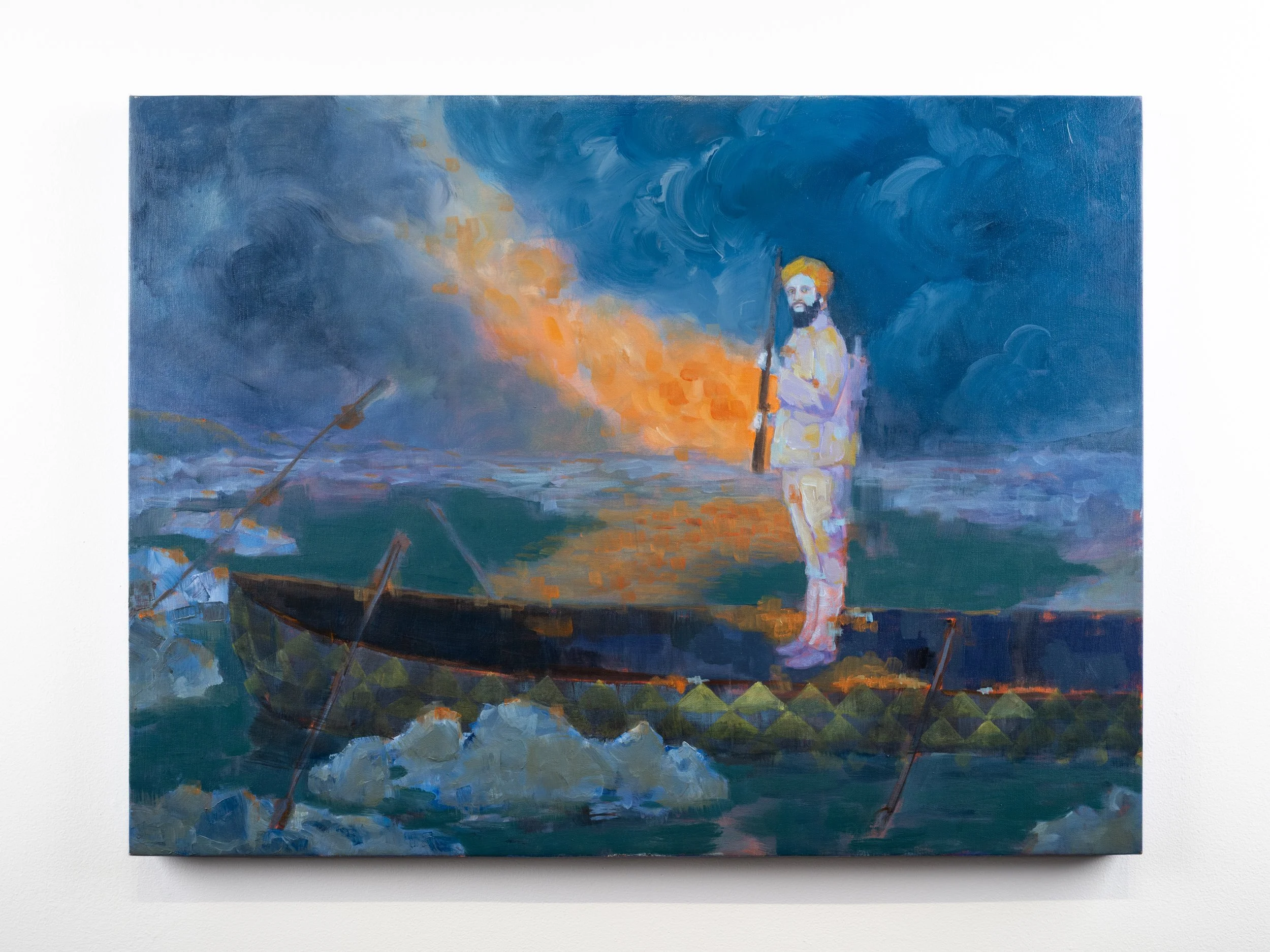
Bhagat Singh Thind v. United States, 2025, oil on canvas, 30" x 40". Portrays the Sikh American veteran and immigration rights plaintiff whose landmark legal case challenged the racial restrictions embedded in U.S. naturalization law. In 1923, Thind's petition for citizenship reached the U.S. Supreme Court, which ruled against him in a decision that exposed the contradictions of race, identity, and belonging in American law. Drawing from historical photographs and archival sources, the painting reflects on Thind's struggle for recognition and the broader experiences of South Asian immigrants navigating exclusion and citizenship. By revisiting this pivotal moment in legal history, the work explores themes of migration, race, national identity, and the ongoing effort to define who belongs within the American story.
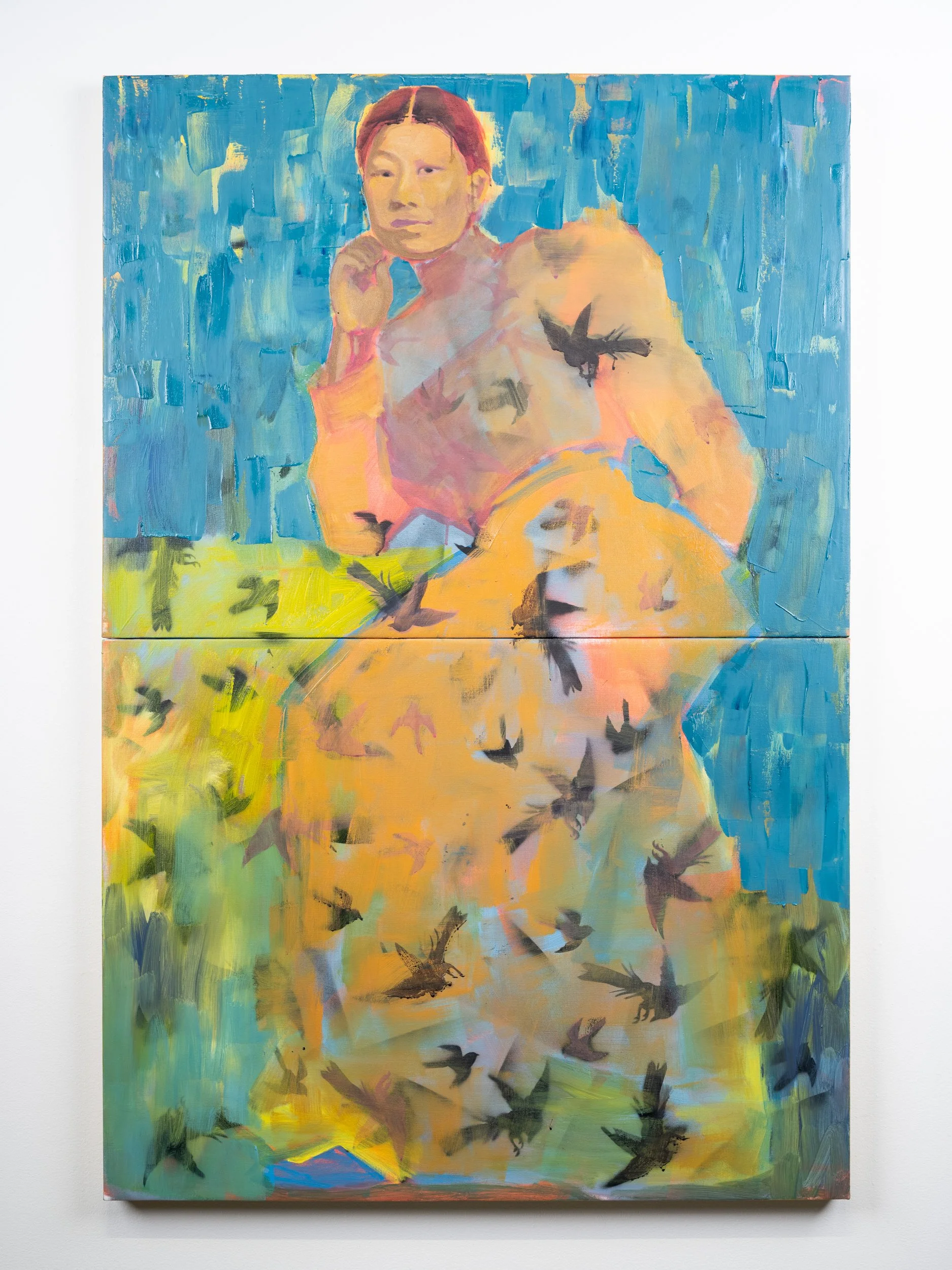
Mamie Tape v. Hurley, 2025, oil on canvas, 40" x 60". Inspired by the landmark 1885 court case brought by Mamie Tape and her family, who challenged the exclusion of Chinese American children from San Francisco's public schools. The case resulted in a ruling affirming Mamie Tape's right to attend public school, exposing the contradictions between legal equality and racial discrimination in the United States. Drawing from historical photographs and archival research, the painting reflects on the courage of a family whose legal challenge became an important chapter in the history of civil rights and educational access. Through portraiture and historical memory, the work examines themes of belonging, exclusion, citizenship, and the ongoing struggle for equal access to public institutions.

Quok Shee in the Redwoods, 2025, oil on canvas, 40" x 30". Inspired by the Chinese immigrant whose legal battle challenged the exclusionary immigration policies of the late nineteenth century. Detained upon her arrival in the United States despite being married to a Chinese merchant legally residing in America, Quok Shee became the subject of a significant court case that exposed the arbitrary and often discriminatory enforcement of immigration law during the Chinese Exclusion era. Drawing from historical records and archival imagery, the painting reflects on themes of family separation, migration, and belonging. By revisiting Quok Shee's story, the work honors an individual whose determination illuminates the human consequences of exclusionary policies.
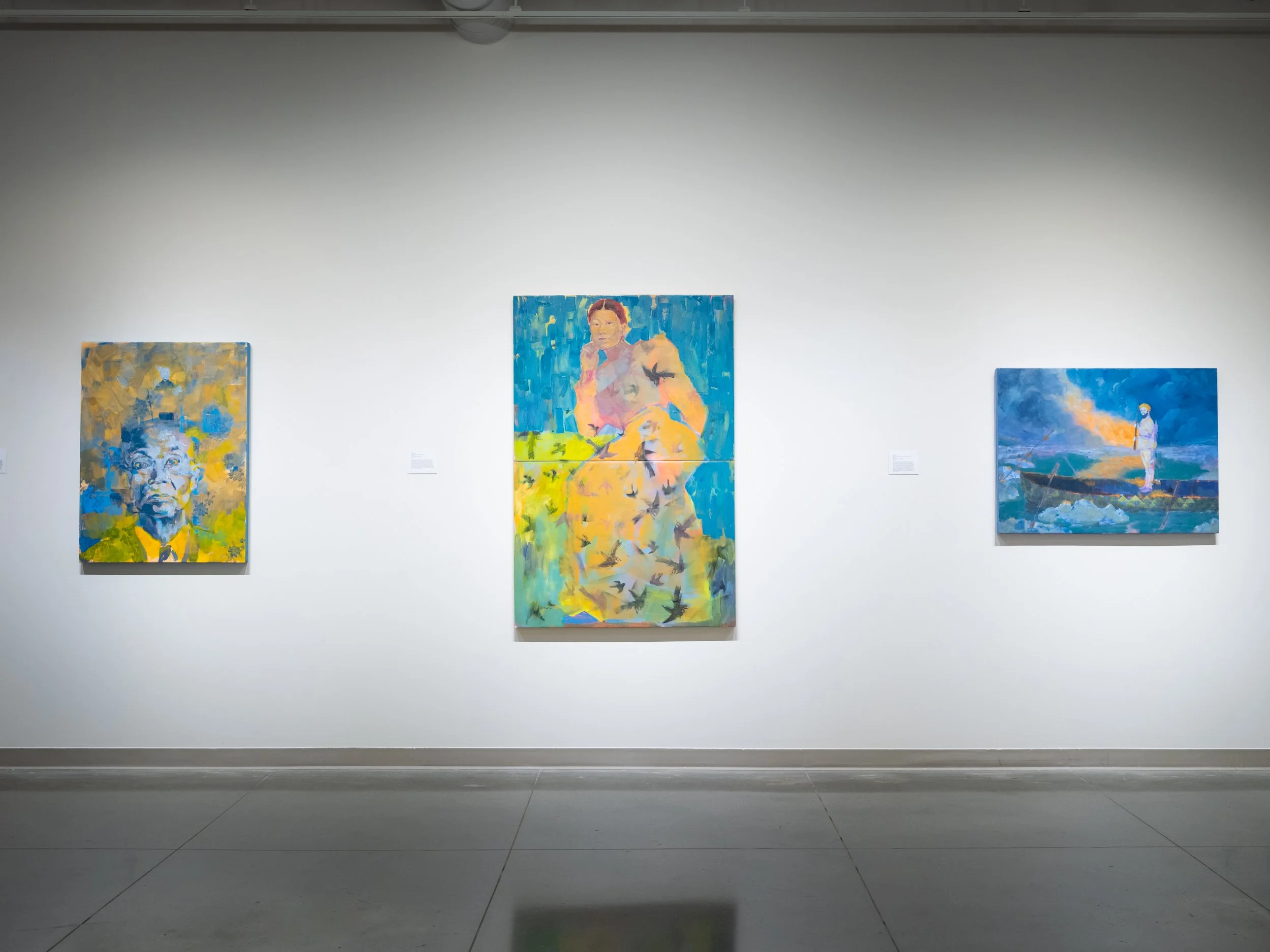
Gallery Installation View/Pasadena City College
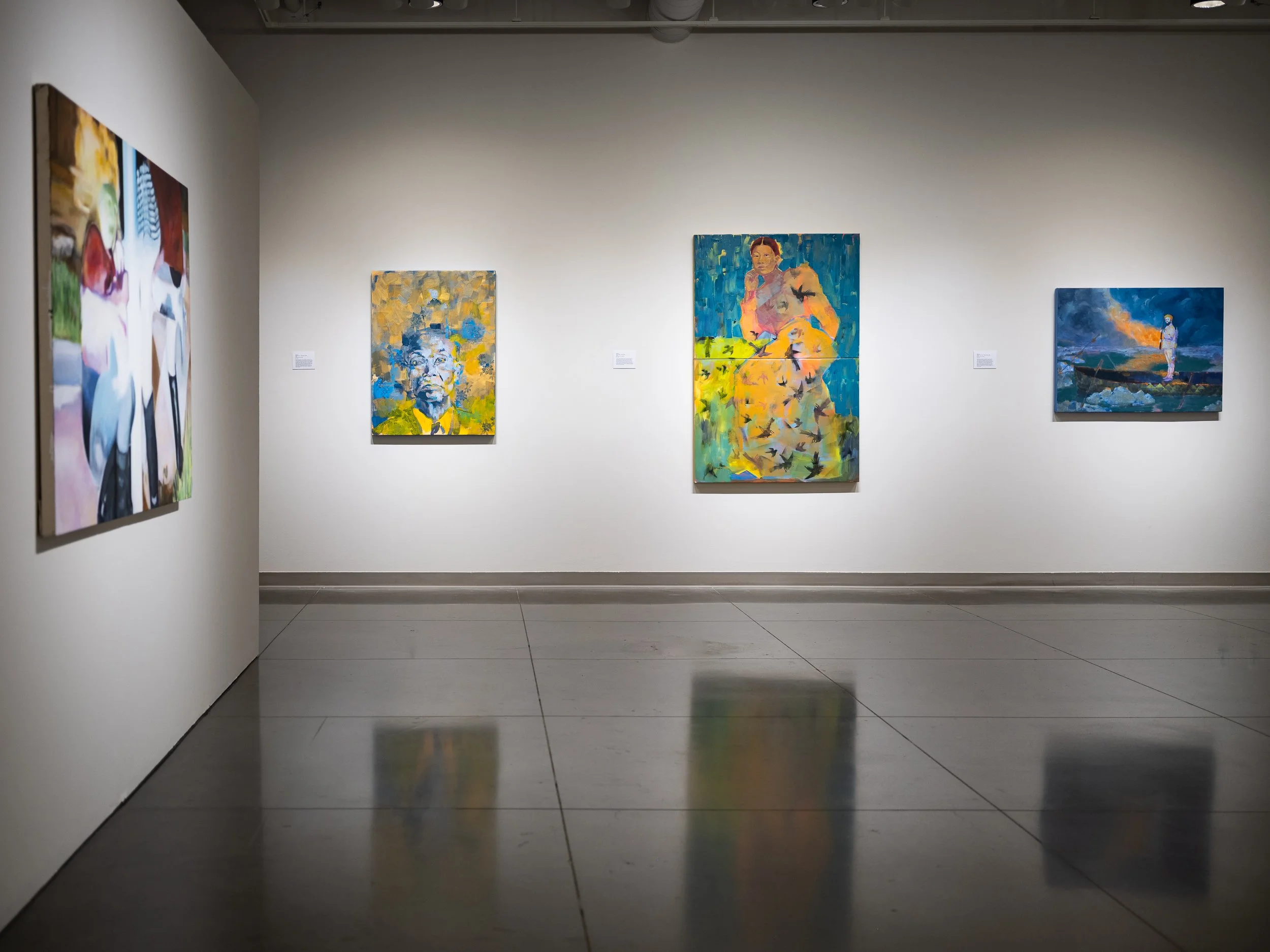
Gallery Installation View/Pasadena City College
!["An alleged American citizen of the Chinese race” [Anna May Wong], oil on ramie fabric, 30" x 30". Based on a photograph taken when pioneering Chinese American actress Anna May Wong applied for permission to temporarily leave the United States for fi](https://images.squarespace-cdn.com/content/v1/5f5d0a30c83c446f35e37c92/a7eabc39-d0ea-4dab-8184-ad008961ecdd/Liu+Kenji_Anna+May+Wong+2025.jpg)
"An alleged American citizen of the Chinese race” [Anna May Wong], oil on ramie fabric, 30" x 30". Based on a photograph taken when pioneering Chinese American actress Anna May Wong applied for permission to temporarily leave the United States for film work in Canada. Although Wong was born in Los Angeles and was a U.S. citizen by birth, immigration authorities required extensive documentation of her identity, including testimony from a white witness who could verify who she was before she could re-enter the country. Drawing from this archival image, the painting examines the contradictions of citizenship, race, and belonging during the Chinese Exclusion era. By focusing on a moment when even a nationally recognized film star was subjected to scrutiny and bureaucratic suspicion, the work reflects on the ways legal status, public visibility, and racial identity intersected in the lives of Chinese Americans. The painting is part of an ongoing exploration of immigration, citizenship, and the histories that continue to shape US American life.